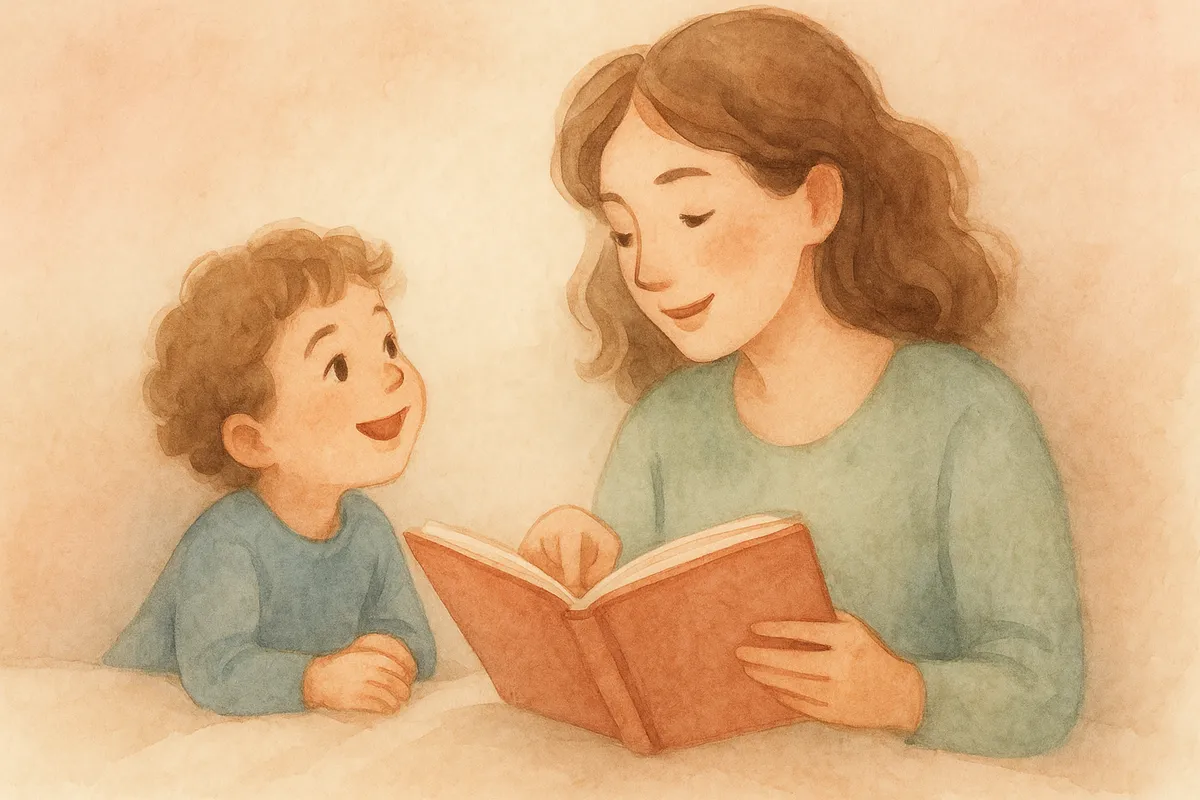
Discover fun, interactive storytelling techniques that transform bedtime battles into magical moments your kids will treasure every night.
It's 8:47 PM. You've just finished reading Goodnight Moon for what feels like the hundredth time this month, and your little one is staring at you with those bright, expectant eyes. "Tell me another story, Mommy!" they plead. Your mind goes blank. You're exhausted, they're still wired, and you're fresh out of creative storytelling techniques.
Sound familiar? You're definitely not alone. Many parents find themselves stuck in the same bedtime routine, reading the same books night after night, wondering how to make storytelling more engaging and magical for their kids. The good news? There are so many fun, interactive ways to breathe new life into your bedtime stories, including interactive storytelling techniques that turn your child into a co-creator that'll have your children hanging on every word.
Why Traditional Storytelling Sometimes Falls Flat
Here's the thing – kids today are growing up in a world full of interactive screens, colorful animations, and instant entertainment. When we simply read from a book in the same monotone voice every night, it's no wonder their attention starts to wander.
Children's brains are wired for engagement and participation. They want to be part of the story, not just passive listeners. Think about it: during the day, they're constantly moving, exploring, and interacting with their environment. So when bedtime rolls around and we expect them to lie still and quietly listen, we're asking them to switch gears completely.
Traditional storytelling isn't bad – it's just incomplete. The most memorable stories from our own childhoods probably involved some kind of interaction, whether it was sound effects, funny voices, or moments where we got to participate. That's because engaging kids through multiple senses and involving them in the narrative creates stronger memories and deeper connections to the story.
The key is finding storytelling techniques that capture their imagination while still helping them wind down for sleep. It's about striking that perfect balance between excitement and calm.
Transform Your Voice Into a Magic Wand
Your voice is the most powerful tool you have for bringing stories to life. Different characters should sound different, and your tone should match the mood of each scene.
Why does this work so well? When you change your voice, you're essentially creating a mini theater performance right there in your child's bedroom. Their brain has to work to distinguish between characters, which keeps them engaged and focused on the story rather than thinking about tomorrow's activities.
Here's how to put this into practice: Pick three distinct voices before you start any story. Maybe the brave knight has a deep, confident voice, the wise owl speaks slowly and thoughtfully, and the mischievous fairy talks in a high, giggly whisper. Practice these voices briefly before bedtime so you feel comfortable switching between them.
Start with simple voice changes – higher for small characters, lower for big ones, fast for excited characters, slow for sleepy ones. You don't need to be a professional voice actor; even subtle changes will captivate your little listener.
Let Them Steer the Story Ship
One of the most effective storytelling techniques is giving your child choices throughout the narrative. This transforms them from a passive listener into an active participant.
When kids get to make decisions about where the story goes, they become emotionally invested in the outcome. They're not just hearing about an adventure – they're creating it alongside you. This sense of control and participation makes bedtime stories infinitely more engaging.
Try this approach: Start with a simple setup like "Once upon a time, there was a little bunny who found a mysterious door in the forest." Then pause and ask, "Should the bunny knock on the door or look for another way around?" Let your child decide, then continue the story based on their choice.
Keep the choices simple and limit them to two options. Too many choices can be overwhelming and overstimulating before bed. After they make a decision, enthusiastically incorporate it: "Great choice! The bunny decided to knock, and you'll never guess what happened next..."
This technique works especially well with recurring characters. Your child will start to feel like they have a relationship with these story friends, making bedtime something they look forward to rather than resist.
Paint Pictures With Sensory Details
Children experience the world through all their senses, so why should stories only appeal to their hearing? The best storytelling techniques engage multiple senses, creating vivid mental images that stick with kids long after the story ends.
When you describe the warm, gooey chocolate chip cookies in your story, your child can almost taste them. When you talk about the soft, fluffy kitten's fur, they can imagine petting it. These sensory details make stories feel real and immersive.
Here's how to weave sensory details into your bedtime stories: For each scene, try to include at least two different senses. Instead of saying "The princess walked through the garden," try "The princess walked through the garden, breathing in the sweet smell of roses and feeling the soft grass tickle her bare feet."
Encourage your child to close their eyes and really picture what you're describing. Ask questions like "Can you imagine how that would feel?" or "What do you think that would smell like?" This helps them engage their imagination more deeply.
Make it interactive by having them act out some of the sensory experiences. If the character is tiptoeing, whisper and have them pretend to tiptoe under their covers.
Create Stories That Grow With Your Child
Personalized storytelling techniques can make bedtime truly special. When children hear stories featuring characters who look like them, face similar challenges, or live in familiar settings, they connect more deeply with the narrative.
This is where tools like Fablino can be incredibly helpful. By creating personalized bedtime stories that feature your child as the main character, you're giving them tales that feel specifically crafted for their imagination. There's something magical about hearing a story where you're the hero of your own adventure.
The beauty of personalized stories is that they can address your child's specific interests, fears, or challenges in a gentle, age-appropriate way. Whether your little one is fascinated by dinosaurs, working through separation anxiety, or learning about friendship, customized stories can meet them exactly where they are.
Tonight, Try This
Pick just one of these storytelling techniques to try tonight. Maybe it's giving your child two choices about what happens next in their favorite story, or perhaps it's adding some fun character voices to a familiar tale. Remember, the goal isn't perfection – it's connection and engagement.
The most important ingredient in any bedtime story isn't fancy techniques or elaborate plots. It's the love and attention you're giving your child in those precious moments before sleep. Sweet dreams!
Create Your Child's Story
Make your child the hero of their own personalized bedtime story with professional narration.
Try Fablino FreeRelated Stories
Free Audio Bedtime Stories for Kids: The Complete Guide
Looking for free audio stories your kids can listen to at bedtime? Here are the best free sources for toddlers through age 10, including downloads for Toniebox and Yoto.
Best Bedtime Story Apps for Kids in 2026
Looking for the best bedtime story app? We compared the top storytelling apps for kids in 2026, from AI-generated tales to soothing narrated adventures.
Engaging Kids During Quiet Time with Personalized Audio Stories
Transform quiet time struggles into peaceful moments with personalized audio stories that engage your child's imagination and develop their listening skills.